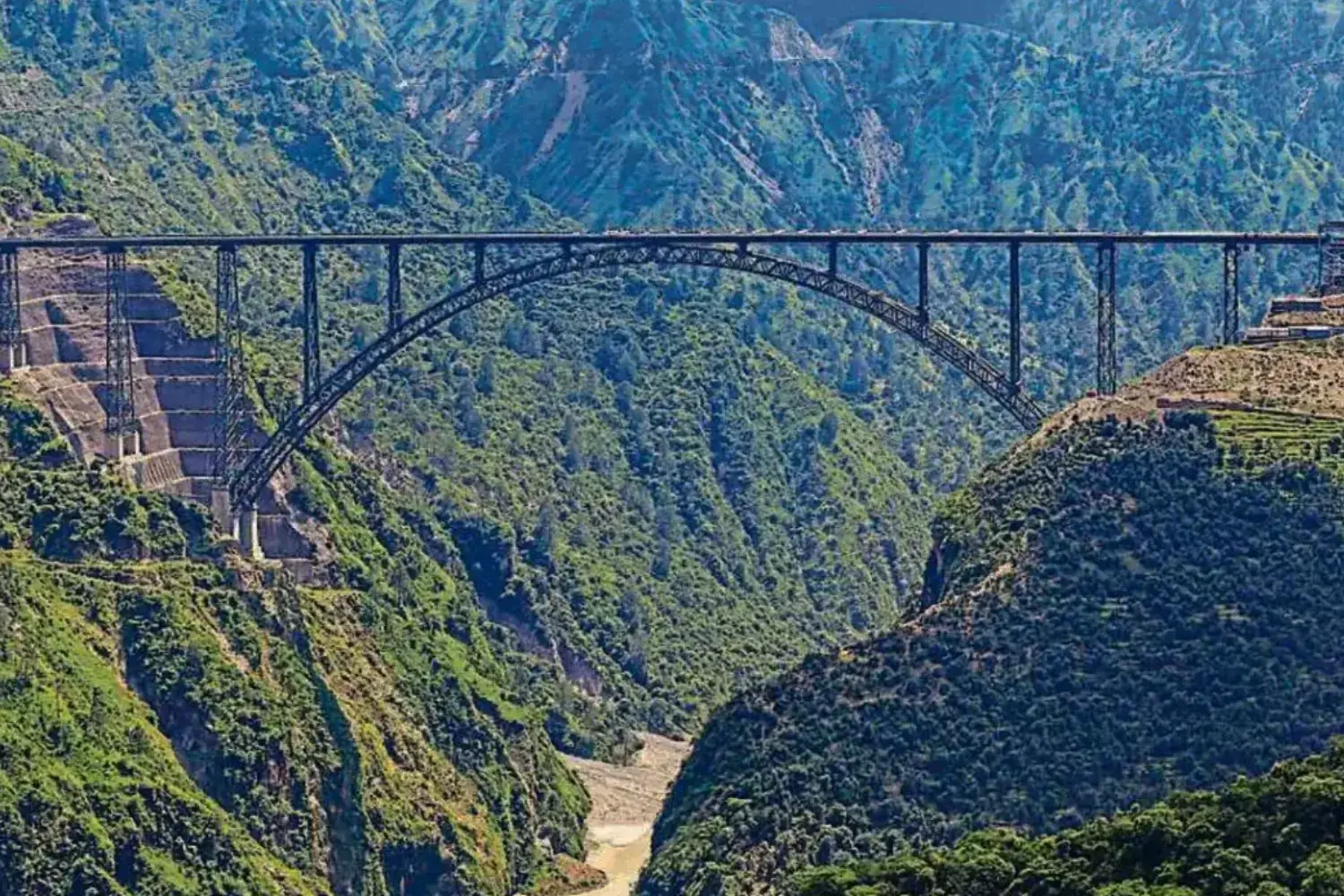
The world’s highest railway arch bridge: the Chenab Railway Bridge in Kashmir has been inaugurated. Here are all the details on construction and history.
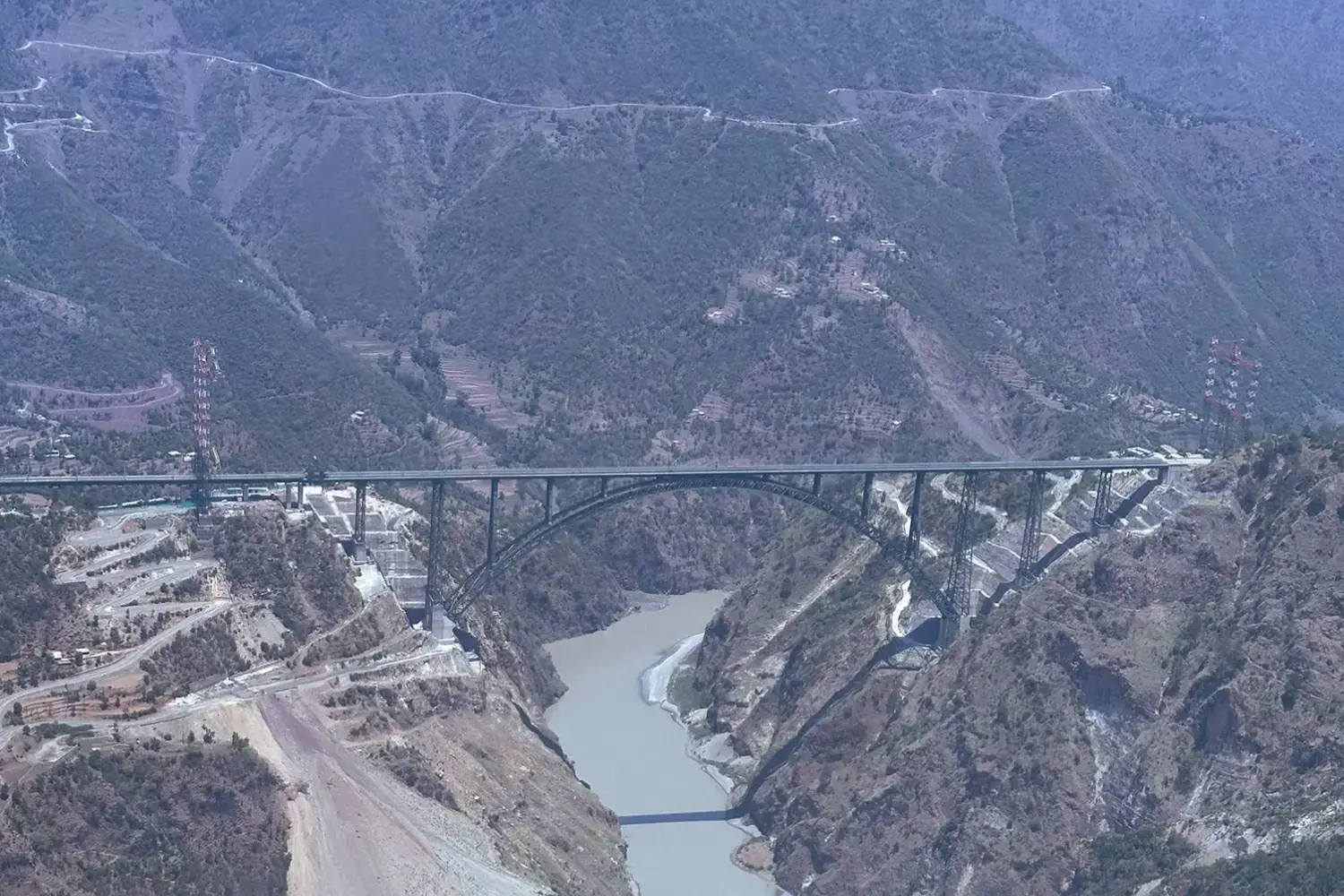
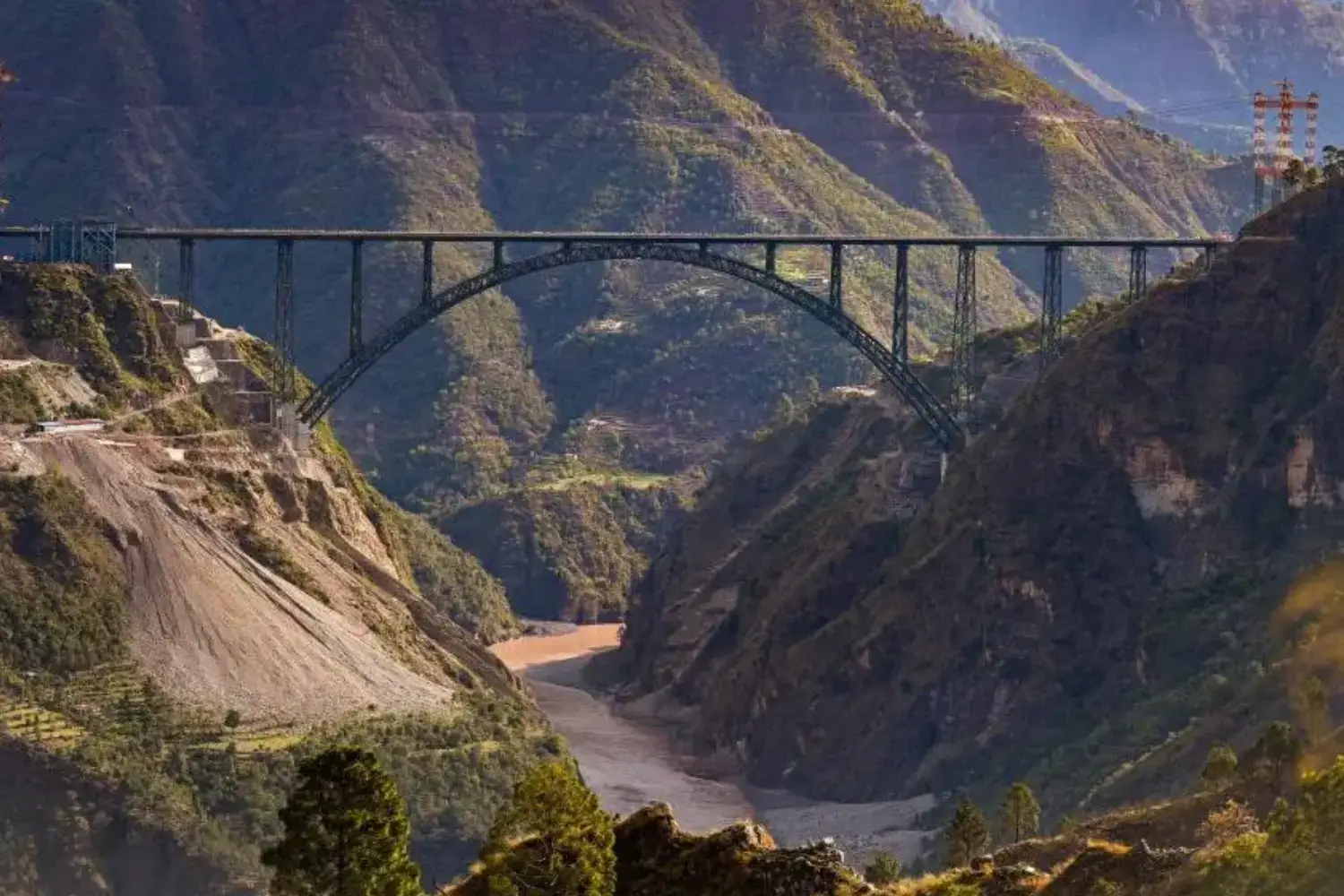
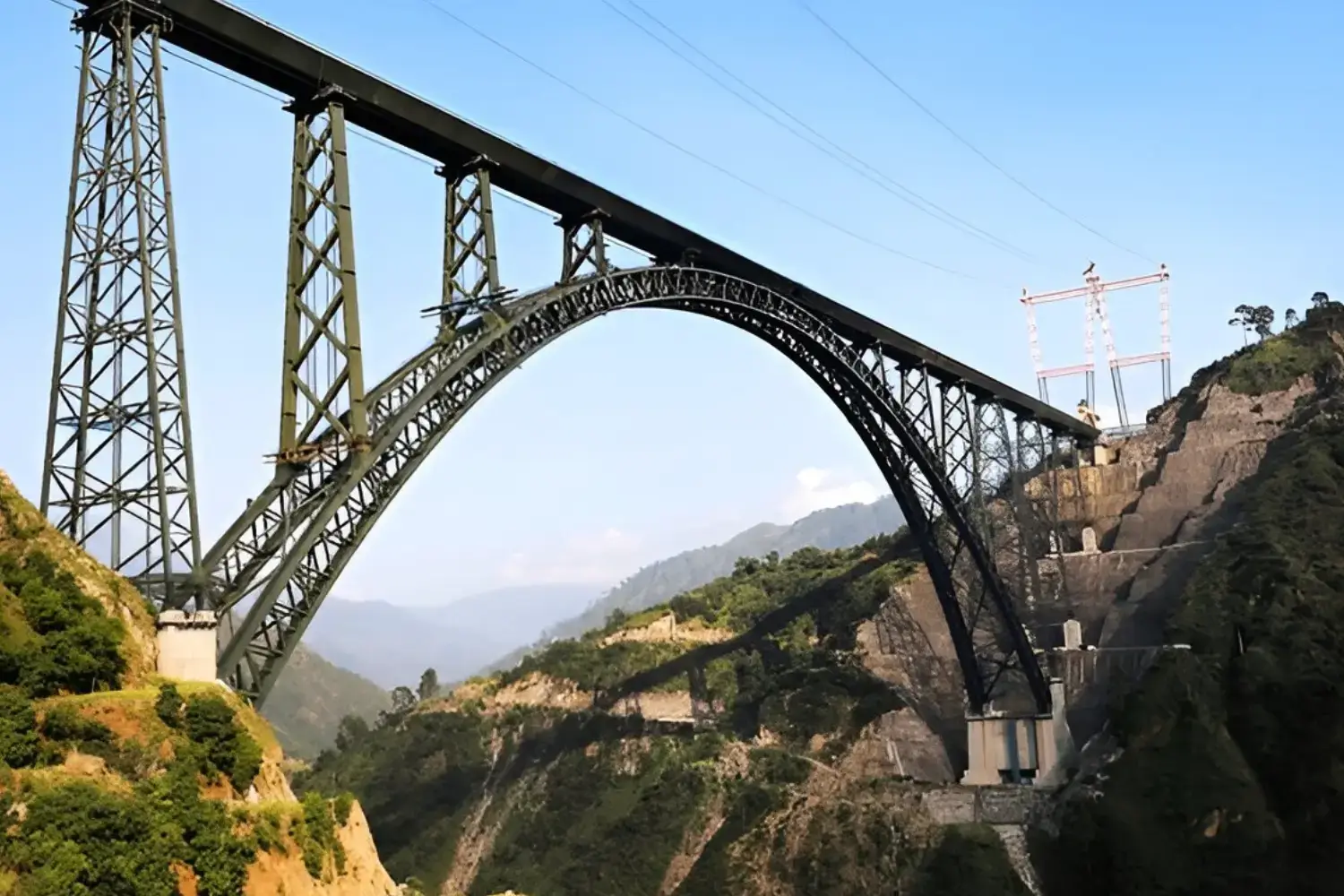
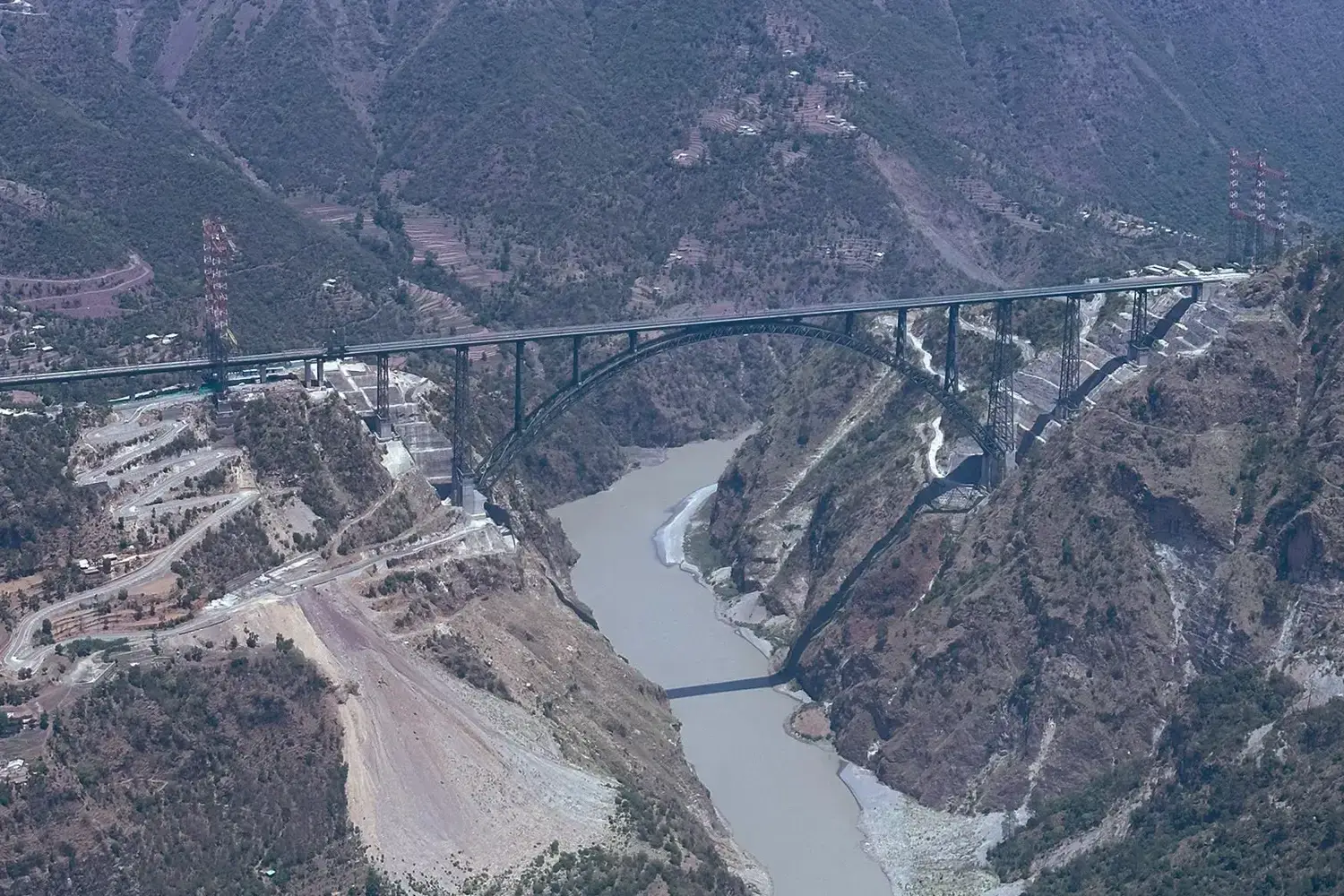
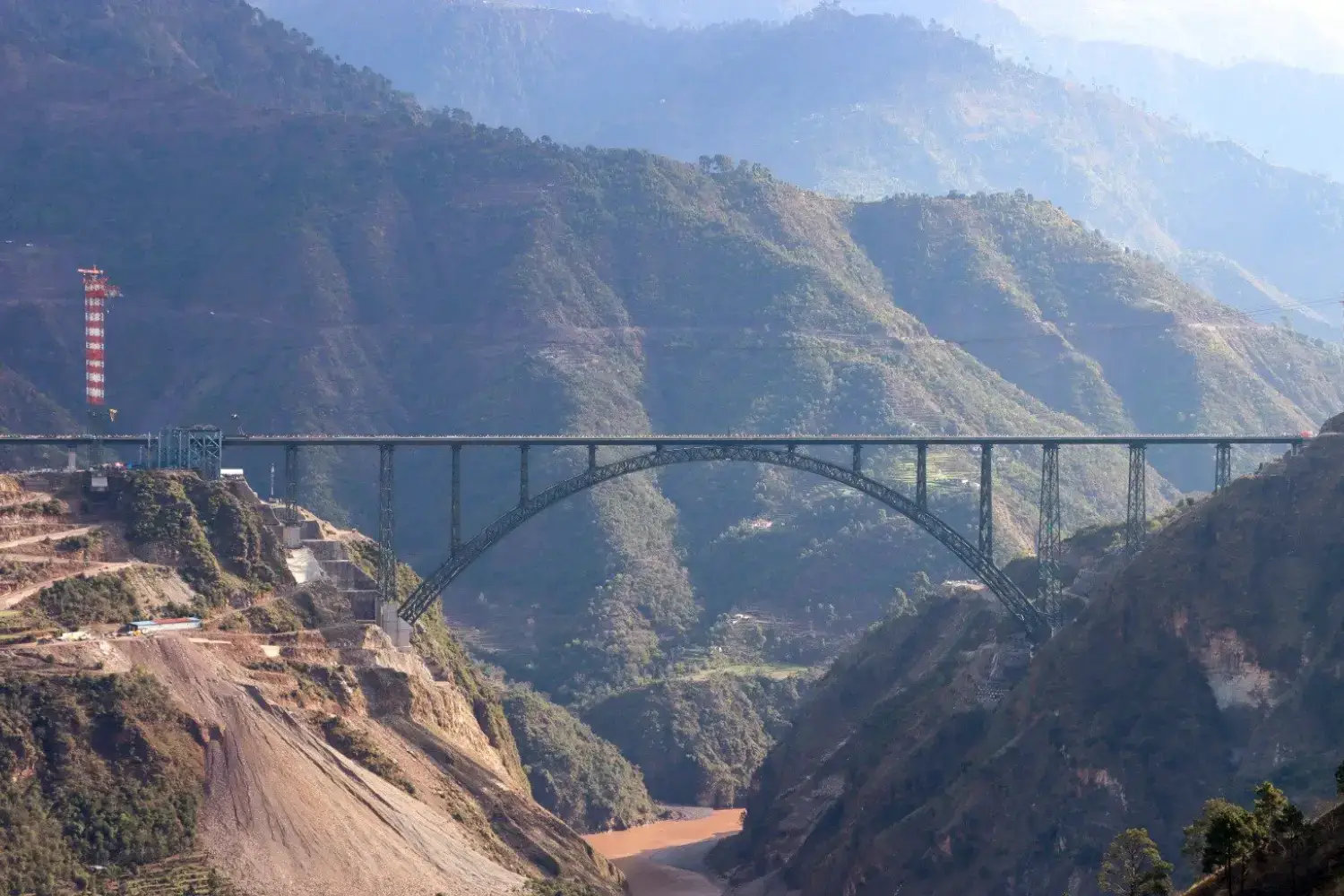
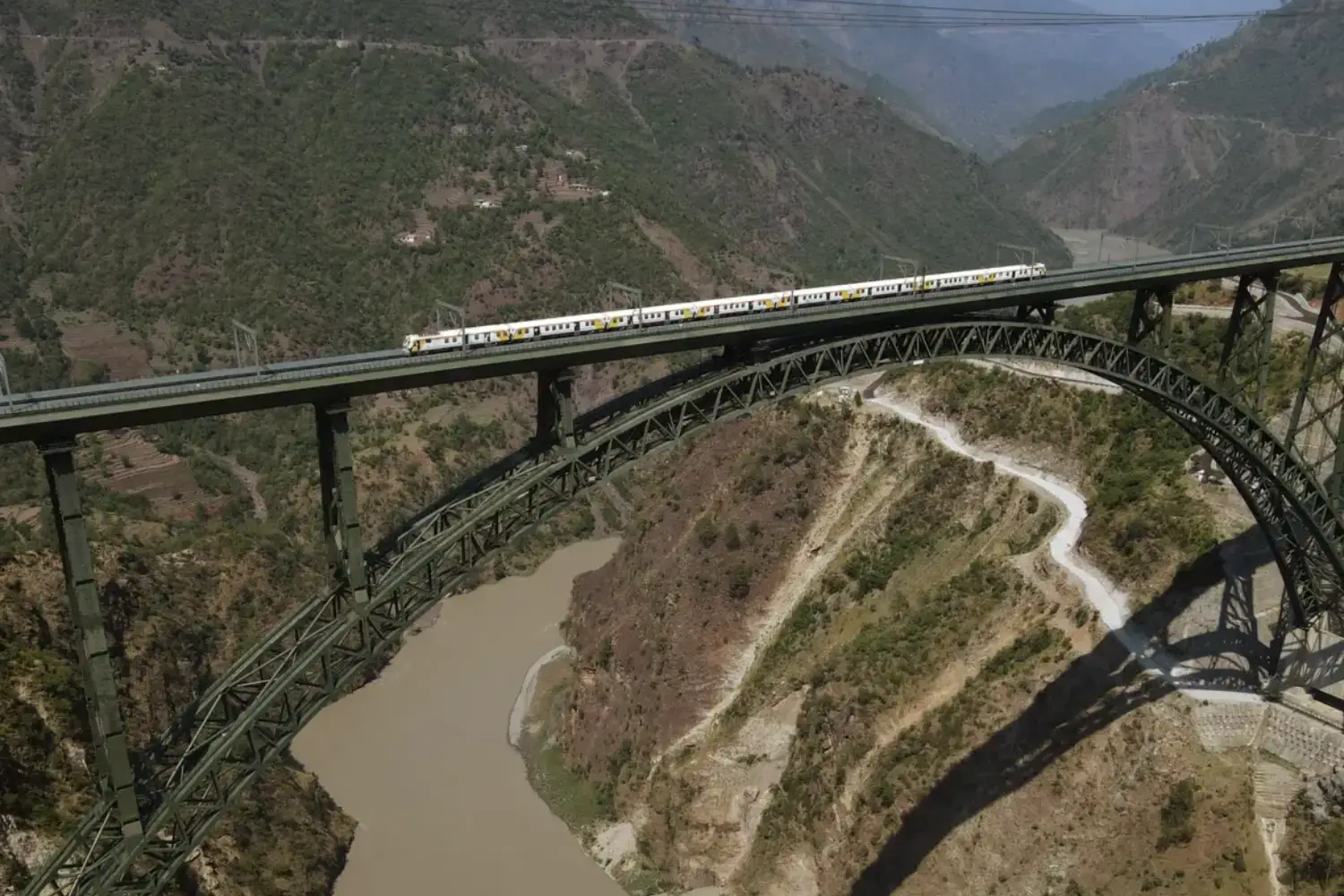
On June 6, 2025, India witnessed a historic milestone as Prime Minister Narendra Modi inaugurated the Chenab Railway Bridge, the world's highest railway arch bridge, towering at 359 meters above the Chenab River, surpassing the height of the Eiffel Tower by 35 meters. This engineering marvel is a pivotal component of the Udhampur-Srinagar-Baramulla Railway Link (USBRL) in Jammu and Kashmir.
The inauguration also included the launch of the Katra-Srinagar Vande Bharat Express, which has reduced the travel time between Katra and Srinagar from 6-7 hours to just 3 hours. In fact. The two semi-high-speed trains started service on June 7, 2025, and were already fully booked. According to Indian Railways, train number 26401 has no seats available until June 12, and train 26403 is sold out until June 10.
In December 1923, the Dogra dynasty took another step toward realizing their vision by restarting a coal extraction project with the help of British firm S. R. Scott Stratten and Co. But the momentum didn’t last long. Following the death of Maharaja Pratap Singh in 1925 and the growing Indian independence movement, the ambitious railway plan lost its royal patronage and was quietly shelved. What had started as a bold vision came to a standstill, leaving the idea untouched for nearly sixty years.
It wasn’t until 1983 that the project found new life. Prime Minister Indira Gandhi reignited the dream by laying the foundation stone for the Jammu-Udhampur-Srinagar railway line. The plan sounded promising, with a five-year completion target and an estimated cost of just ₹50 crore. However, reality had other plans. Over the next 13 years, despite all the effort, only 11 km of track were completed. That short stretch alone involved the construction of 19 tunnels and 11 bridges, highlighting just how challenging the terrain really was.
The larger Udhampur-Katra-Baramulla Railway Project officially began in the late 1990s, with Prime Ministers H. D. Deve Gowda and I. K. Gujral laying multiple foundation stones in 1996 and 1997 across Udhampur, Qazigund, and Baramulla.
Construction kicked off in 1997, but it was far from smooth sailing. The unforgiving Himalayan geology, unpredictable weather, and complex terrain kept stalling progress. What began with a budget of ₹2,500 crore eventually escalated to a staggering ₹43,800 crore due to repeated delays and engineering hurdles.
Recognizing its strategic and national significance, the Indian government declared the Udhampur-Srinagar-Baramulla Railway Line (USBRL) a national project in 2002. Since then, progress has picked up steadily. Out of the planned 272 km, 209 km have already been completed and made operational in different phases:
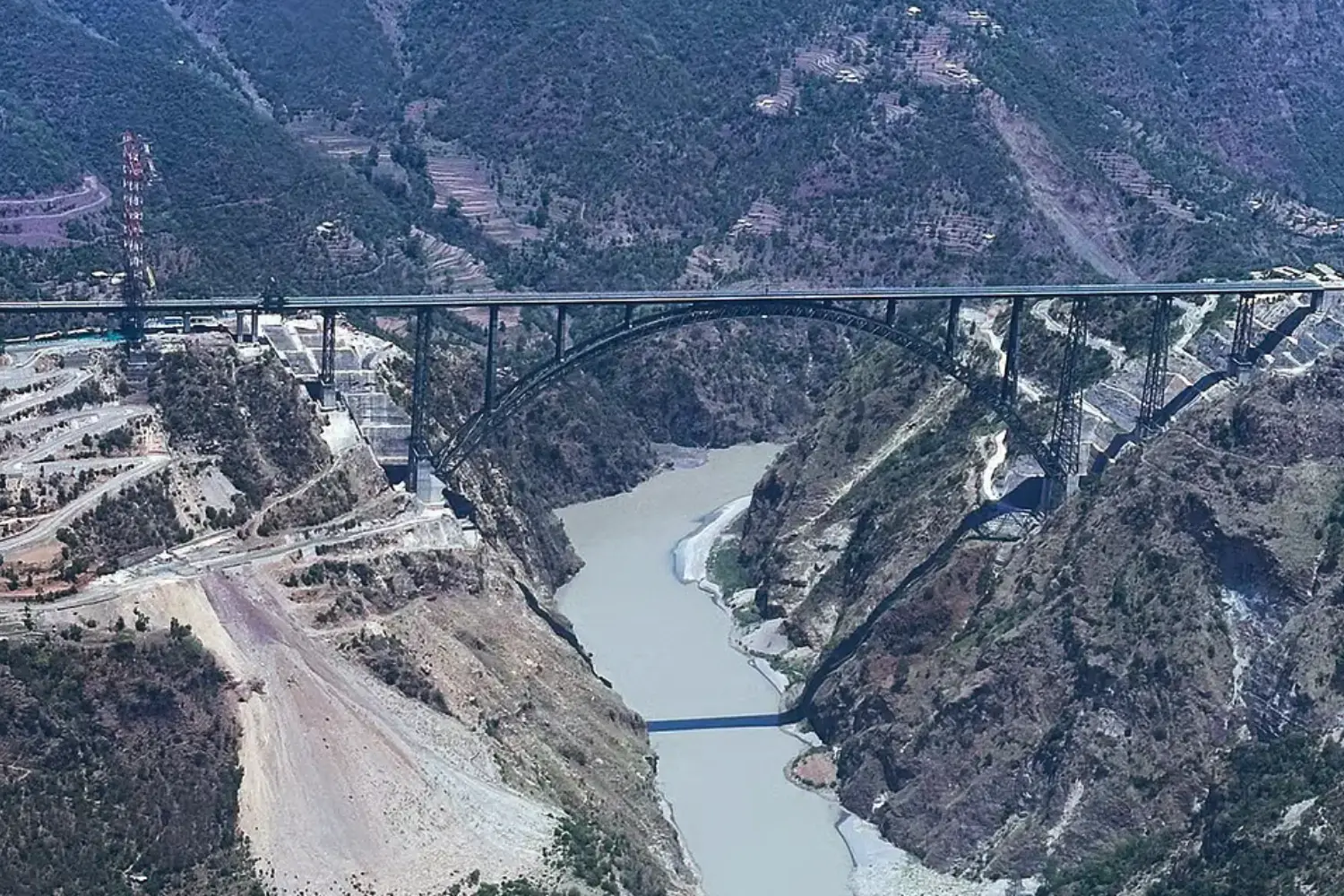
The completion of the Chenab Railway Bridge, world’s highest railway arch bridge is more than just an engineering milestone; it’s a story of perseverance, hope, and national pride. Building a railway line through some of the world’s toughest terrain wasn’t easy, but India did it. This bridge stands as a towering symbol of the country's grit and vision. It's not just about connecting places on a map, it’s about linking lives, communities, and aspirations. Every train that crosses it carries not only passengers but also a legacy over a century in the making.
Here is quick access to important website links on Jammu and Kashmir travel and tourism to help you learn more and make planning your Kashmir vacation easier.
 Kashmir Tours Online